


UK Budget 2025: What Property Investors Need to Know
Today the UK anxiously awaited the Chancellor of the Exchequer, Rachel Reeves, to deliver the annual budget statement for 2025. Now, after months of speculation, we finally got to hear what was inside of the iconic red box.
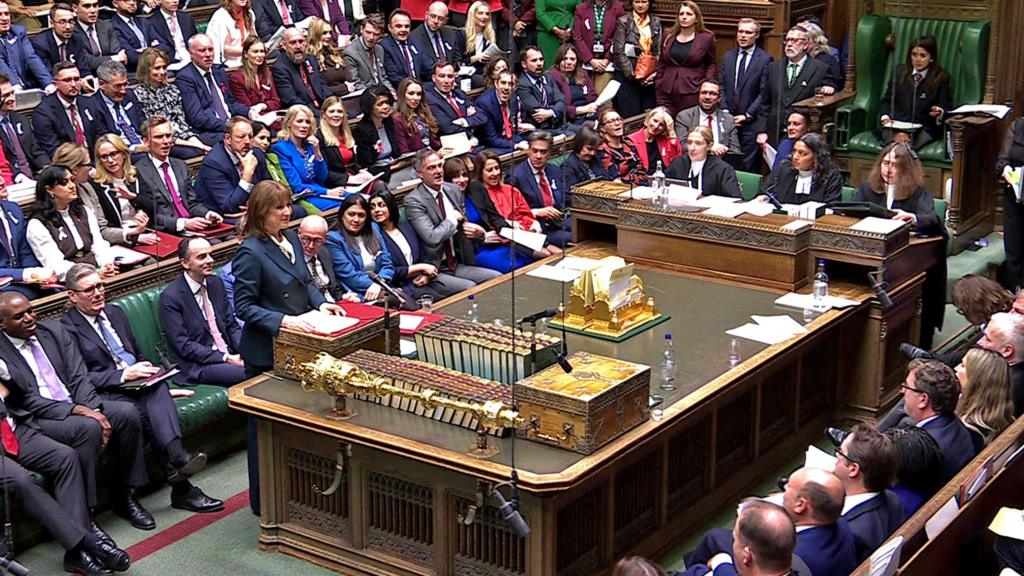
The 2025 UK Budget, announced by Chancellor Rachel Reeves, introduces several measures that will directly and indirectly affect the property market, Lessel gather the key details particularly for investors in residential, retail, and commercial real estate.
Key Property-Related Measures:
- Mansion Tax
- Annual surcharge of £2,500 on homes worth over £2 million, and £7,500 on homes over £5 million.
- Expected to generate ~£400m by 2031, targeting fewer than 1% of properties.
- Impact: High-end residential property investors may see reduced demand or slower price growth for ultra-prime homes, as buyers factor in additional holding costs.
- Retail, Hospitality & Leisure Property Relief
- More than 750,000 properties receive permanently lower tax rates.
- Funded by higher taxes on properties worth £500,000+, such as large warehouses used by online retailers.
- Impact: Positive for high-street retail and leisure investors; helps offset economic pressure from online competition. Investors in large warehouses may face increased tax burdens, which could reduce net yields.
- EV Mileage Charge & Infrastructure Investment
- Annual excise duty on electric and plug-in hybrid vehicles: 3p/mile (EVs), 1.5p/mile (plug-in hybrids).
- Funds increased road maintenance and £200m for EV charging rollout.
- Impact: Improved EV infrastructure may benefit commercial property with EV parking and charging facilities; indirect implications for logistics hubs and office car parks.
- Pension Salary-Sacrifice Cap
- Contributions above £2,000 will be taxed like normal employee pensions from 2029.
- Impact: Could reduce long-term investment from high-net-worth individuals into residential or commercial property via pension schemes.
Investor Takeaways:
- High-End Residential: Mansion tax introduces holding cost for ultra-prime homes; expect careful buyer selection.
- Retail & Leisure Assets: Relief measures make high-street and leisure investments more attractive; landlords may have more flexibility to maintain rents.
- Commercial Property: Warehouses and large commercial units face higher rates; may influence portfolio allocation for logistics-heavy investors.
- Infrastructure & EV Transition: The EV excise duty supports charging infrastructure, which could increase demand for properties suited to EV adoption.
Market Sentiment:
- Budget shows targeted relief for struggling sectors and fiscal prudence for high-value assets.
- Investors should review tax exposure, yield assumptions, and asset allocation in light of these changes.
Conclusion:
The 2025 Budget balances revenue-raising with targeted support for retail and leisure property, but high-value residential and large commercial assets will face higher costs. Savvy property investors should assess portfolio impact and adapt investment strategy accordingly.

